Anyone who wants to earn a commercial driver’s license (CDL) has two main training options: attending an independent CDL school or enrolling in a company-sponsored training program. Both paths can lead to a career in truck driving, but they work very differently. Understanding the differences helps a future driver make an informed choice.
What is a CDL School?
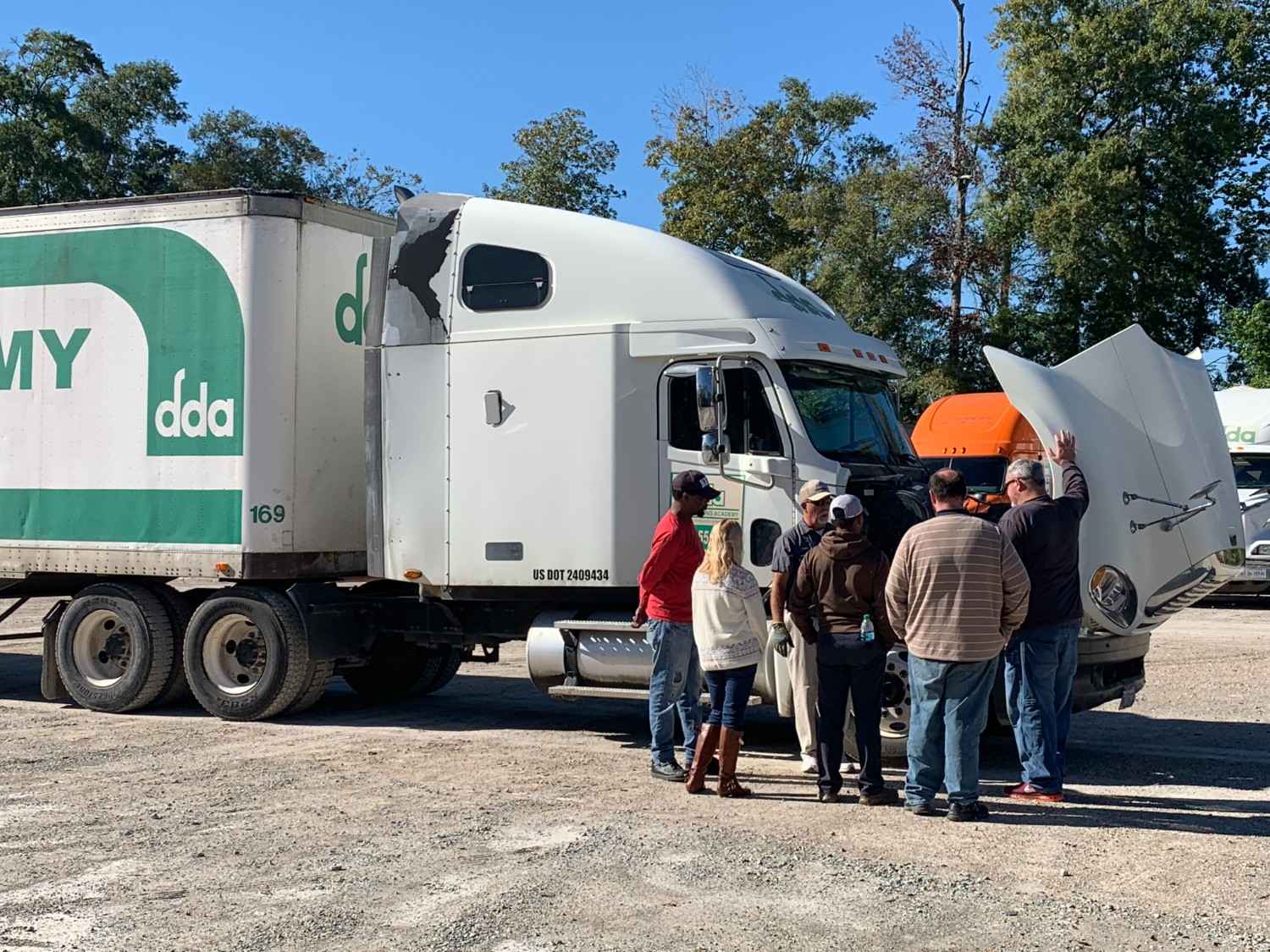
A CDL school is an independent, licensed training institution that prepares students to earn a CDL. These schools offer classroom instruction and hands-on driving practice, and they prepare students for the CDL skills test administered by the state.
Independent CDL schools are not tied to any single trucking company. Students learn on training equipment, complete the program, pass the state CDL exam, and then apply for jobs with whichever employer they choose. Some schools are accredited by national organizations such as the Council on Occupational Education (COE) or hold membership in the Commercial Vehicle Training Association (CVTA), which are markers of program quality and accountability.
Many CDL schools offer scheduling options to fit different situations, including:
- Full-time day programs
- Evening classes
- Weekend training
Financial aid, veteran assistance programs, and job placement services are also commonly available at independent schools.
What is Company-Sponsored CDL Training?
Some large trucking companies operate their own CDL training programs. These programs are designed to recruit new drivers directly into the company’s workforce. A student attends training approved or organized by that company and, if they pass, is typically hired into their fleet after graduation.
Company-sponsored programs vary widely in length, structure, and quality. Some are thorough and well-organized. Others focus on moving new drivers onto the road as quickly as possible. The defining feature of company training is the direct link between completing the program and working for that specific company.
CDL School: Benefits and Drawbacks
Benefits
Freedom to choose an employer. Graduates of an independent CDL school can apply to any trucking company after passing the CDL exam. This means a driver can compare job offers from multiple carriers and choose based on:
- Pay
- Route type
- Home time
- Benefits
Access to financial aid. Many CDL schools offer financial aid options including federal grants, payment plans, and guidance on employer tuition reimbursement. Veterans and active-duty service members may qualify for education benefits through programs like the Post-9/11 GI Bill, which can be applied at eligible CDL schools.
Flexible scheduling. Independent CDL schools often offer multiple class schedules. Students who are working or have other obligations can frequently find a full-time, evening, or weekend program that fits their availability.
Job placement support. Many CDL schools maintain relationships with regional and national carriers and offer job placement assistance to graduates. Many connect students with potential employers before training is even finished.
No employment contract. Graduating from an independent CDL school does not obligate a driver to any employer. A driver is free to accept any job offer or change employers at any point in their career.
Drawbacks
Tuition costs. Independent CDL school tuition typically ranges from a few thousand dollars to over $10,000, depending on the program length and location.
No guaranteed job. Unlike company training, an independent CDL school does not guarantee employment. Graduates are responsible for securing their own jobs, though placement services at many schools reduce this burden.
Company Training: Benefits and Drawbacks
Benefits
Low or no upfront cost. Many company-sponsored programs charge minimal tuition at the start. Instead, the cost of training is recovered through payroll deductions after a driver is hired. This removes a financial barrier for students who cannot pay for school out of pocket or do not qualify for aid.
Training on the job’s actual equipment. Students train on the same trucks they will drive after they are hired. This can reduce the adjustment period when a driver starts working, since they are already familiar with the equipment and company procedures.
A job offer at the end. Students who complete a company training program in good standing typically have a job waiting for them. This can reduce stress and uncertainty for people who want a clear path from training to employment.
Drawbacks
Employment contracts. Most company-sponsored programs require graduates to stay with that employer for a set period, often one to three years. Drivers who leave before the contract period ends are usually required to repay some or all of the training costs. This creates a significant financial risk for anyone who changes their mind.
No choice of employer. A driver who trains through a company is committed to working for that company. They cannot compare starting pay, routes, or benefits against other carriers before making that commitment.
Variable program quality. Company training programs are not held to the same accreditation standards as many independent CDL schools. Quality varies significantly between companies, and it can be difficult to evaluate a program before enrolling.
Limited scheduling flexibility. Company programs generally run on a fixed schedule. They rarely offer the evening or weekend options that many independent CDL schools provide.
Side-by-Side Comparison
| Factor | CDL School | Company Training |
| Employer freedom | Choose any company | Tied to sponsoring company |
| Upfront cost | Tuition required (aid available) | Often low or no upfront cost |
| Employment contract | No | Often yes, 1 to 3 years |
| Job guarantee | Not guaranteed; placement help common | Usually guaranteed |
| Schedule flexibility | Often flexible | Usually fixed |
| Financial aid | Available at many schools | Not typically available |
| Veterans education benefits | Applicable at eligible schools | Not typically applicable |
| Accreditation | Common at established schools | Not standard |
| Equipment familiarity | General CDL training equipment | Same trucks used on the job |
Which Option Makes More Sense?
The right path depends on a driver’s financial situation, career goals, and personal priorities.
Company training tends to suit someone who cannot cover upfront tuition costs, is comfortable committing to one employer for a year or more, and wants a confirmed job at the end of training.
An independent CDL school tends to suit someone who wants the freedom to choose their employer, needs flexible scheduling, or wants access to financial aid and veteran education benefits. The ability to shop multiple job offers after graduation often results in better starting pay and more favorable working conditions.
There is no single right answer. A driver should weigh the financial terms, training quality, scheduling needs, and long-term career flexibility of each option before enrolling.
Frequently Asked Questions About CDL School vs. Company Training
What is the main difference between CDL school and company training?
CDL school is an independent program where students earn their CDL and can apply for jobs with any employer. Company training is run by a specific trucking company and typically requires graduates to work for that company for a set period.
Is company-sponsored CDL training really free?
Not always. Most programs charge no money up front, but graduates typically repay the training cost through payroll deductions or owe the full amount if they leave before their contract ends.
Can a CDL school graduate get hired faster than someone in company training?
Yes, in many cases. CDL schools with active job placement services can connect students with multiple employers who are actively hiring, sometimes before graduation is complete.
How long does CDL school take compared to company training?
Full-time CDL school programs generally run three to seven weeks. Part-time and evening programs take longer. Company training programs vary but are often similar in length to full-time school programs.
What happens if someone leaves a company training program early?
Most company training contracts require graduates to repay some or all of the training cost if they leave before the contract period ends. The specific terms vary by company and should be reviewed carefully before enrolling.
Can someone with no trucking experience attend CDL school?
Yes. Most CDL schools accept students with no prior commercial driving experience. Programs are designed to build skills from the ground up and prepare students to pass the state CDL exam.
What should someone look for when choosing a CDL school?
Key factors include accreditation status, available financial aid, job placement services, scheduling options, and the school’s history of graduate employment rates.